What Happens to Dental Office Construction Debris After a Renovation?

A dental office renovation can transform an outdated space into a cleaner, more functional environment for patients and staff. However, once the construction work is finished, there is often one major task left behind: dealing with the debris. Old flooring, drywall, cabinets, furniture, packaging, broken fixtures, wood, metal, and other materials can quickly pile up during a dental office renovation. Simply leaving these materials near the property or placing everything in a regular trash container may not be the right solution.
So, what actually happens to dental office construction debris after a renovation?
The answer depends on the type and condition of the materials. Some items may be reused or donated, while others can be recycled or taken to an appropriate disposal facility. Proper sorting and removal can help keep the newly renovated office clean and make the final stage of the project easier to manage.
What Types of Debris Can a Dental Office Renovation Create?
Dental office renovations can produce more waste than many practice owners expect. Even a relatively small remodeling project can involve removing several types of materials.
Common renovation debris may include:
- Drywall and plaster
- Wood and lumber
- Metal framing and fixtures
- Flooring and carpet
- Cabinets and shelving
- Doors and hardware
- Ceiling tiles
- Cardboard and packaging
- Old office furniture
- Broken appliances or equipment
- Concrete and other construction materials
Construction and demolition debris can include materials such as wood, concrete, metals, drywall, bricks, glass, and plastics. Many of these materials may be suitable for reuse or recycling depending on their condition and available local facilities.
For a dental practice, there may also be old desks, chairs, storage units, reception furniture, and other bulky items that need to be removed before the renovated space can be fully used.
Why Proper Debris Removal Matters After a Dental Renovation
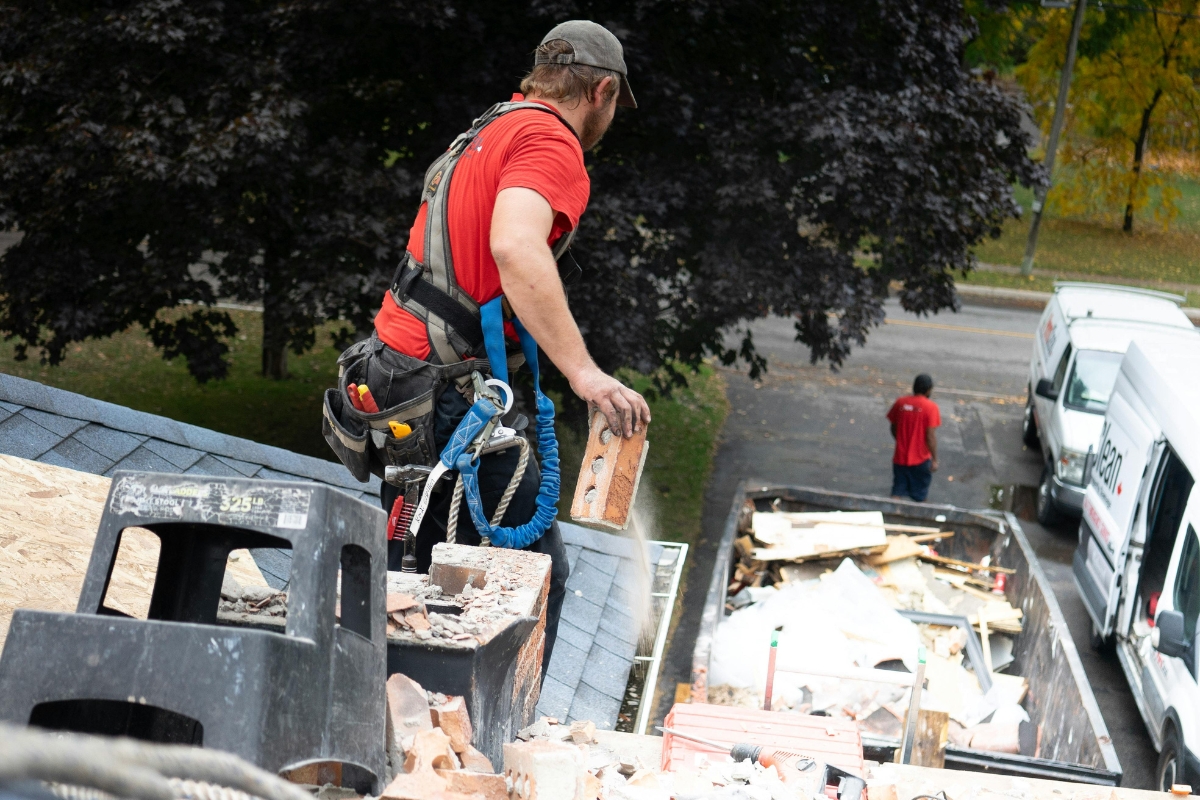
Once construction workers finish their portion of the project, the remaining debris can make the office look unfinished. Piles of materials can also take up valuable space and make it harder for contractors, cleaners, and staff to complete the final stages of the renovation.
This is where planning for debris removal becomes important.
If you are working with junk removal in Arkansas, ask early in the renovation process how construction debris and unwanted materials will be handled. Knowing who is responsible for removing different types of waste can prevent confusion when the project reaches completion.
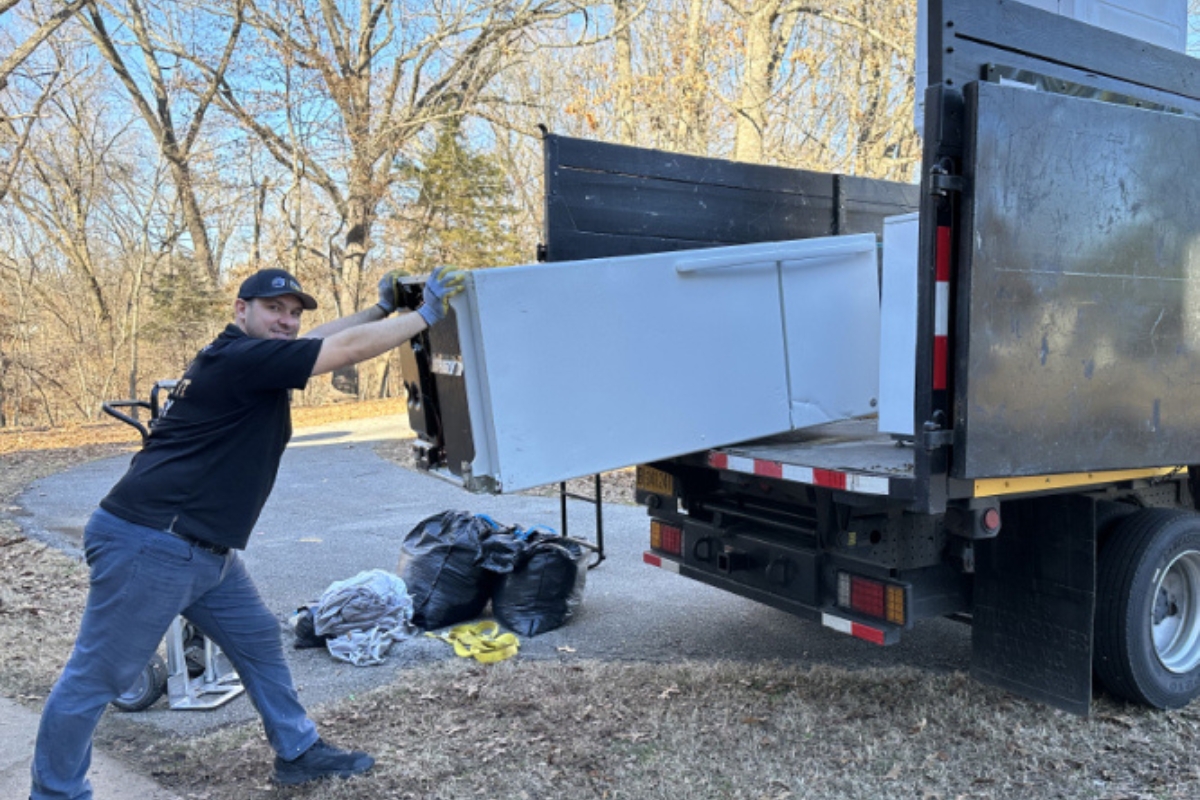
Professional junk removal can also reduce the amount of physical work required from practice owners and staff. Instead of asking employees to move heavy furniture or construction materials, a removal crew can handle the lifting and hauling.
The Strong Lion provides construction debris removal and can also handle items such as office furniture and concrete. Its removal process includes safely removing unwanted materials and hauling loads away using its trucks.
What Happens to the Debris After It Is Removed?
After construction debris leaves the dental office, it does not necessarily all go to the same place. The next step depends on what the material is and whether it can be reused, recycled, donated, or disposed of.
A responsible removal process generally starts with sorting.
Reusable Items May Be Separated
Some materials may still have useful life after being removed from a dental office.
For example, cabinets, shelving, doors, certain fixtures, furniture, or unused construction materials may be suitable for reuse if they are in good condition.
Reusing materials can help reduce unnecessary waste. Salvaging usable items can also keep materials out of disposal facilities when they still have practical value.
Recyclable Materials May Be Recovered
Certain materials from a renovation can potentially be recycled. Metals, cardboard, wood, concrete, and some other construction materials may have recycling options depending on local facilities and material condition.
Keeping recyclable materials separate from general debris can make recovery easier.
Construction and demolition materials such as wood, metals, concrete, brick, and other non-hazardous materials may have recycling or reuse opportunities where suitable facilities and markets exist.
Remaining Materials May Go to an Appropriate Disposal Facility
Not every item can be reused or recycled. Some materials will need to be transported to an appropriate disposal facility.
Construction and demolition landfills are designed to receive certain types of construction and renovation debris. However, hazardous materials may be subject to separate requirements.
That is why sorting materials before disposal is important. It helps prevent unsuitable items from entering the wrong waste stream.
Recycling and Responsible Disposal Can Reduce Waste
Renovation does not have to mean sending every removed item directly to a landfill.
Reducing, reusing, and recycling construction and demolition materials whenever practical can help conserve landfill space and reduce the need for new raw materials.
For dental practice owners, this can be part of a broader approach to keeping a renovation organized and responsible.
For example, old cardboard packaging may be recyclable. Metal materials may have recovery value. Some furniture may be reusable. Certain building materials may also be suitable for another project.
The Strong Lion follows a sorting approach that prioritizes recycling and donations when possible rather than automatically sending everything to a landfill.
This can be especially useful when a renovation produces a mixture of bulky furniture, construction debris, cardboard, and general unwanted items.
What About Old Dental Office Furniture?
Renovating a dental office often involves more than construction materials. Practice owners may also replace reception desks, waiting room chairs, cabinets, tables, shelving, and other furniture.
These items can be difficult to move without the right equipment and enough people.
Rather than allowing old furniture to remain in hallways, storage rooms, or parking areas, practice owners can arrange removal as part of the renovation cleanup.
The Strong Lion lists office furniture among the items it commonly removes, along with construction debris, concrete, cardboard, electronics, carpets, and other bulky materials.
Coordinating furniture removal with construction debris removal can help the practice move more efficiently toward its final cleanup.
What Kind of Materials Need Special Attention?
Not every item found during a renovation should be handled as ordinary junk.
Certain materials may be subject to specific federal, state, or local requirements. Materials that may contain asbestos, lead, or other hazardous substances can require special handling, testing, or disposal procedures. If renovation crews discover an unknown or potentially hazardous material, the safest approach is to stop and determine the appropriate handling requirements rather than placing it with ordinary construction debris.
A professional junk removal company should also have clear guidelines about what it can and cannot accept. The Strong Lion states that hazardous materials are excluded from its standard removal services.
Plan Debris Removal Before the Renovation Ends
One of the easiest ways to avoid a last-minute cleanup problem is to plan debris removal before the renovation is complete.
Practice owners should consider:
- What materials will be removed?
- Who is responsible for hauling construction debris?
- Will old furniture need to be removed?
- Are there large or heavy materials involved?
- Which items may be reusable or recyclable?
- Are any materials subject to special disposal requirements?
- When should the removal crew arrive?
- Will multiple loads be necessary?
Having these details organized can make the final stage of a renovation much smoother.
It also prevents construction debris from sitting around after contractors have completed their work.
Why Professional Construction Debris Removal Can Help
Dental practice owners already have plenty to manage during a renovation. Coordinating contractors, schedules, equipment, staff, and patient operations can make construction a demanding process. Handling heavy debris independently can add another unnecessary task.
A professional removal crew can take care of the lifting, loading, and hauling. The Strong Lion describes its process as a five-step service that includes scheduling, receiving a quote, removing the unwanted materials, hauling them away, and settling the payment. The company serves communities throughout Northwest Arkansas, including Fayetteville, Springdale, Rogers, Bentonville, Lowell, Farmington, Tontitown, Bella Vista, Siloam Springs, and surrounding areas.
For practice owners completing a dental office renovation in the region, arranging debris removal as part of the project can help create a cleaner transition from construction to reopening.
Make Every Renovation Cleanup Count
If you want additional guidance on reducing, reusing, and recycling renovation materials, the U.S. Environmental Protection Agency’s construction and demolition materials guidance provides information about reuse, recycling, source reduction, and responsible material management.
Understanding what can be recovered and what requires disposal can help property owners make informed decisions before renovation debris leaves the site.
Finish Your Dental Office Renovation With a Clean Space
A renovation is not truly finished when the construction work stops. The remaining debris, unwanted furniture, packaging, and other materials still need to be cleared before the space is ready for regular use.
Understanding what happens to dental office construction debris can help practice owners plan. Some materials may be reused, some may be recycled, and others may need to be taken to an appropriate disposal facility.
The key is to avoid treating every item as ordinary trash.
If your dental office renovation has left you with bulky construction debris, old office furniture, concrete, cardboard, or other unwanted materials, professional removal can make the final cleanup much easier.
The Strong Lion provides junk removal and construction debris removal services throughout Northwest Arkansas. Contact the team at (479) 222-0942 to request a free estimate and discuss your cleanup needs.
Need help clearing renovation debris? Contact The Strong Lion for a free estimate on construction debris and junk removal in Northwest Arkansas.
Frequently Asked Questions
1. What happens to dental office construction debris after a renovation?
Construction debris is generally sorted based on its material and condition. Items may be reused, donated, recycled, or taken to an appropriate disposal facility. Some materials may require special handling.
2. Can old dental office furniture be removed after a renovation?
Yes. Old desks, chairs, cabinets, shelving, and other office furniture can be part of a post-renovation cleanout. The Strong Lion lists office furniture among the items it commonly removes.
3. Can construction debris be recycled?
Some construction materials can be recycled or reused, depending on the material, its condition, contamination, and available local facilities. Common recoverable materials can include metal, wood, concrete, cardboard, and certain building materials.
4. Can a junk removal company handle large renovation debris?
A professional junk removal company may be able to handle bulky construction debris, furniture, concrete, and other large items, depending on its service guidelines. The Strong Lion lists construction debris and concrete among the materials it commonly handles.
5. Are hazardous materials handled like regular construction debris?
No. Certain hazardous or regulated materials may require separate handling and disposal procedures. Property owners should identify potentially hazardous materials before arranging standard junk removal and follow applicable local and state requirements.