How To Get Rid Of A Mattress With Bed Bugs?

Dealing with a bed bug infestation can feel overwhelming, especially when it involves your mattress. These tiny pests don’t just ruin your sleep; they invade your space and disrupt your peace of mind.
But don’t worry—you’re not alone in this. Understanding how to handle a mattress infested with bed bugs is crucial for restoring comfort to your home.
In this blog, we’ll walk you through everything you need to know. From recognizing the signs of a bed bug infestation to deciding whether it’s time to let go of that mattress, we’ve got you covered. We’ll also explore safe disposal methods and how to prevent future infestations.
Let’s tackle this challenge together and reclaim your space, ensuring your home is a haven once again. Are you ready to take the first step? Let’s dive in!
Assessing the Infestation
Before you take action, you must first assess the situation. Understanding the extent of the infestation helps you make informed decisions. Here’s how to effectively check your mattress and surrounding areas:
- Inspect the Mattress: Look closely at seams, folds, and any crevices. Use a flashlight to spot tiny bugs or dark spots that could be bed bug droppings.
- Check Surrounding Areas: Don’t stop at the mattress. Bed bugs often hide in bed frames, headboards, and nearby furniture. Inspect these areas for signs of their presence.
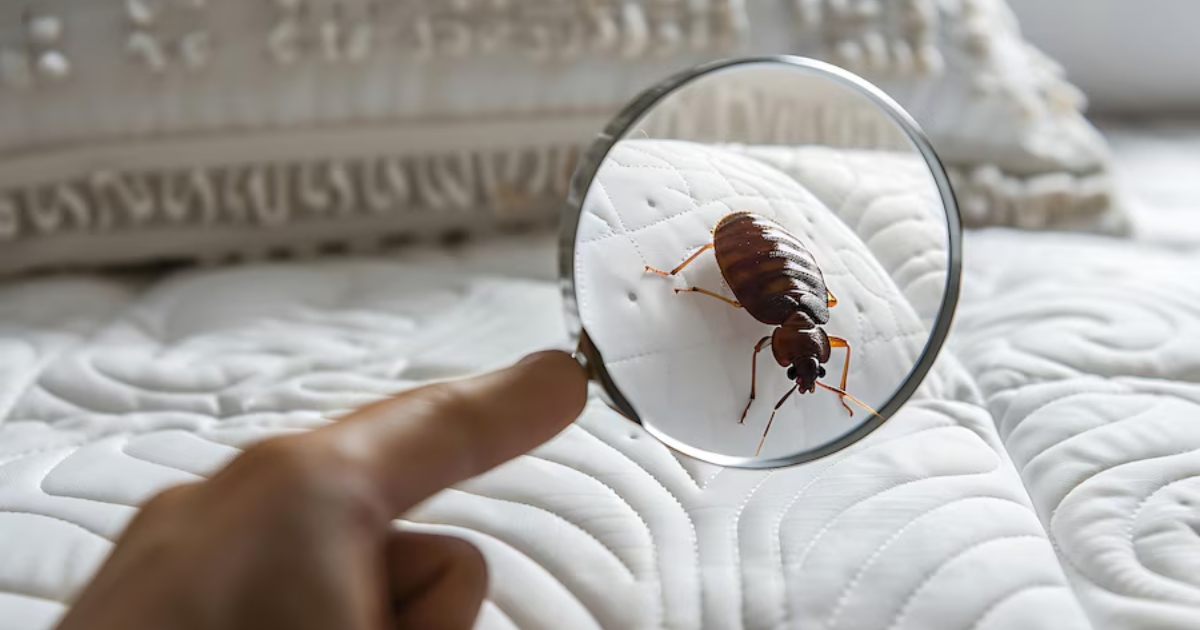
- Distinguish Bed Bugs from Other Pests: It’s easy to confuse bed bugs with other insects. Bed bugs are small, brown, and flat. If you see bugs that look similar but have different colors or shapes, do some research to confirm what you’re dealing with.
Deciding to Dispose of the Mattress
Once you’ve confirmed a bed bug infestation, it’s time to weigh your options. Deciding to dispose of your mattress can be challenging but necessary. Consider the following factors:
- Severity of Infestation: If the infestation is severe, it might be best to get rid of the mattress. A light infestation could be treated, but heavy infestations typically require disposal.
- Condition of the Mattress: Evaluate the overall condition. If the mattress is old or damaged, disposing of it is likely a good idea. Conversely, if it’s relatively new and in good shape, treatment may be an option.
- Health Risks: Bed bugs can cause allergic reactions and psychological stress. If the infestation severely impacts your quality of life, replacing the mattress becomes crucial.
Preparing the Mattress for Disposal
Once you’ve decided to dispose of the mattress, preparation is key to containing the infestation and protecting yourself. Here’s how to do it safely:
- Wrap It Up: Use a bed bug-proof mattress encasement to seal the mattress tightly. This prevents bugs from escaping during the removal process.
- Contain the Infestation: After sealing, clearly label the mattress as “infested” to warn anyone who may handle it. This transparency helps prevent the spread of bed bugs.
- Wear Protective Gear: When handling the mattress, wear gloves and long sleeves to protect yourself from bites. It’s also a good idea to wear a mask to avoid inhaling any dust or allergens.
Disposing of the Mattress Properly
Disposing of a mattress requires careful consideration of local regulations and responsible practices. Here’s how to ensure proper disposal:
- Follow Local Regulations: Check your local laws regarding mattress disposal. Many areas have specific guidelines for bulk waste, including mattresses.
- Explore Recycling Options: Some locations offer recycling programs for mattresses. This process often involves breaking down the mattress and reusing materials, reducing landfill waste.
- Consider Donation: If the mattress is only lightly infested and in good condition, some charities may accept it. Ensure you fully disclose the bed bug issue and follow the charity’s guidelines.
Cleaning and Preventing Future Infestations
After disposing of your mattress, it’s vital to clean your living space thoroughly. Here’s how to do it effectively and prevent future infestations:
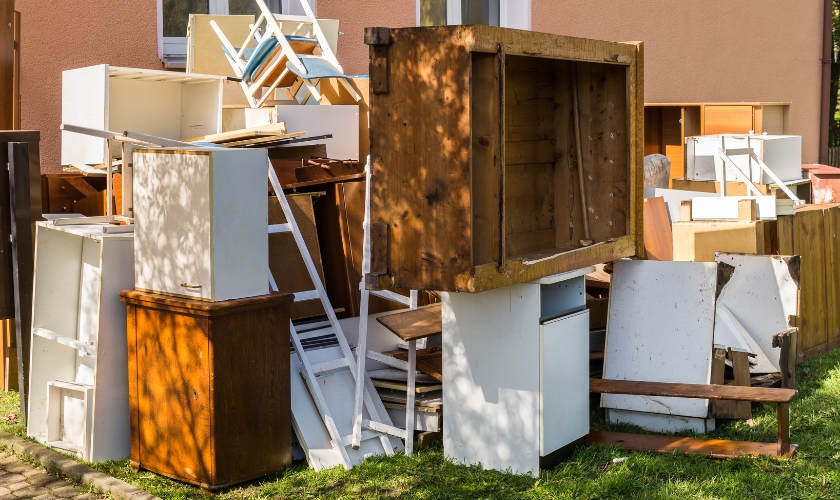
- Deep Clean the Bedroom: Vacuum all surfaces, including floors, carpets, and furniture. Dispose of the vacuum bag immediately in a sealed container to avoid any bugs escaping. If the infestation extends beyond the mattress, consider professional furniture removal services to ensure a thorough cleanup.
- Wash Bedding and Clothes: Hot wash all bedding, pillow covers, and any clothing that may have been in contact with the infested mattress. High heat kills bed bugs and their eggs.
- Implement Preventive Measures: Consider investing in bed bug-proof encasements for your new mattress and box spring. Additionally, regularly inspect your home for signs of bed bugs to catch infestations early.
When to Call a Professional?
Sometimes, the situation requires expert intervention. Here are signs that indicate you may need professional help:
- Persistent Infestations: If you continue to see bed bugs despite your best efforts, it’s time to call in a professional pest control service.
- Health Concerns: Bed bug bites can cause allergic reactions and sleep disturbances. If your health is affected, seeking professional help is essential.
- Expertise Needed: Professionals have the experience and knowledge to identify bed bug hiding spots and use effective treatments that may not be available to the public.
Dealing with a mattress infested with bed bugs can feel overwhelming, but you have the power to take control. By assessing the situation, preparing for disposal, and cleaning your space, you can reclaim your comfort. Remember, prevention is key to avoiding future infestations. If things seem out of hand, don’t hesitate to seek professional help. A fresh, bug-free start is just around the corner. Take action today to ensure a peaceful night’s sleep tomorrow.